Proudly serving Phoenix, Mesa, Scottsdale, Glendale, Chandler, Tempe & surrounding areasCall or Text 24/7: 480-264-9793
Aerial view of Phoenix, AZ residential neighborhoods, saguaro cacti, and desert landscape during golden hour.

Residential Demolition Services in Tempe, AZ for Remodels & Site Clearing

Phoenix Demolition Co. provides residential and commercial demolition throughout Tempe, Arizona. Our crews also handle interior and selective demolition for remodels, additions, and damaged spaces. Concrete, pool, structural, garage, shed, and flooring removal are available alongside site clearing and debris hauling. Every project begins with an in-person scope review and follows a licensed, insured process.

Tempe's housing ranges from 1950s ranch homes to newer construction along the Kyrene corridor. Tight infill lots near Downtown Tempe and Arizona State University can leave equipment inches from neighboring fences, utility lines, and shared walls. Expansive caliche and clay soils, along with monsoon flooding, add planning concerns when foundations or pools are removed. We account for permits, utility disconnections, dust control, access, and material testing before demolition begins.

Call to arrange an on-site demolition estimate in Tempe, with cleanup and final grading included in the project scope.

★ ★ ★ ★ ★4.9/5 Average Rating - 20+ Years of Experience - Tempe Demolition Contractor Specialists - Residential & Commercial
Demolition Services

Demolition Services in Tempe, AZ

Across Tempe, a city of 180,587 residents in the 2020 Census, demolition needs range from interior strip-outs to complete lot clearing. We work in Downtown Tempe, Rio Salado, Broadmor, Sunburst Farms, Warner Ranch, the Kyrene corridor, and areas near Tempe Town Lake and Arizona State University. Property owners planning a project elsewhere in the East Valley can also review our demolition services in Gilbert, AZ .

Residential Demolition
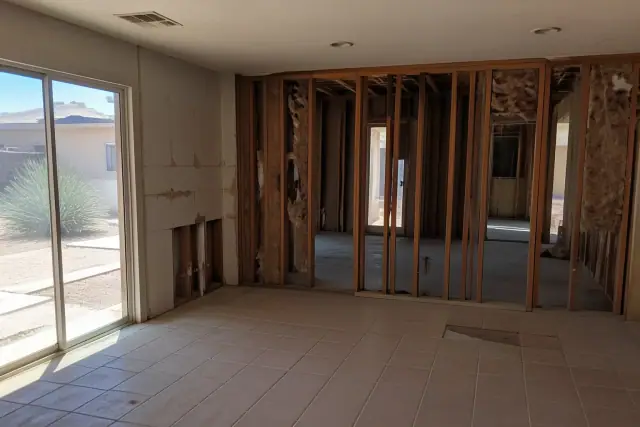
Residential demolition with exposed wall studs and insulation in a Tempe, AZ home.

Full and partial demolition is available for single-family homes, additions, and multi-unit residential structures. We coordinate utility disconnections, mechanical teardown, debris hauling, and final grading; most Tempe teardowns take one to three days once permits clear.

Explore Service
Commercial Demolition

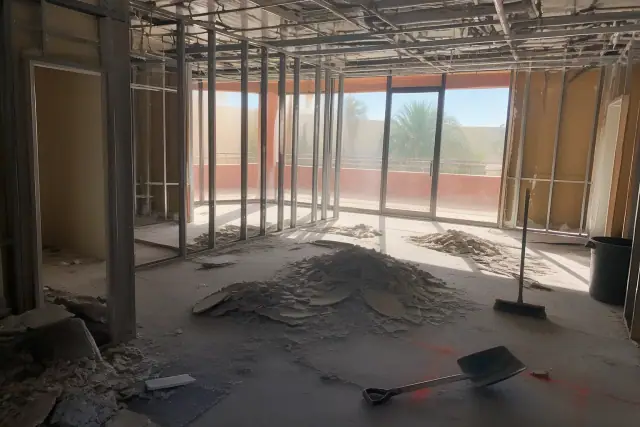
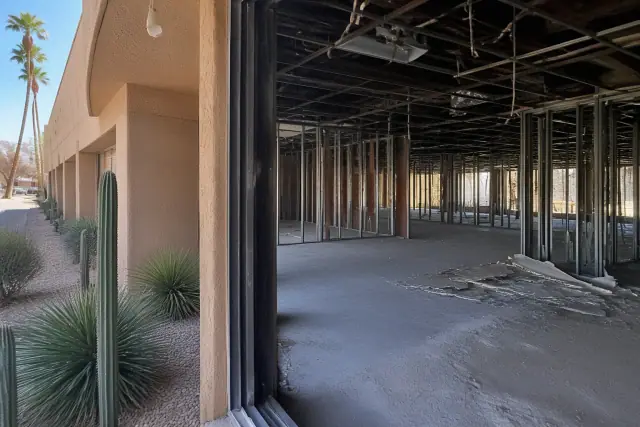
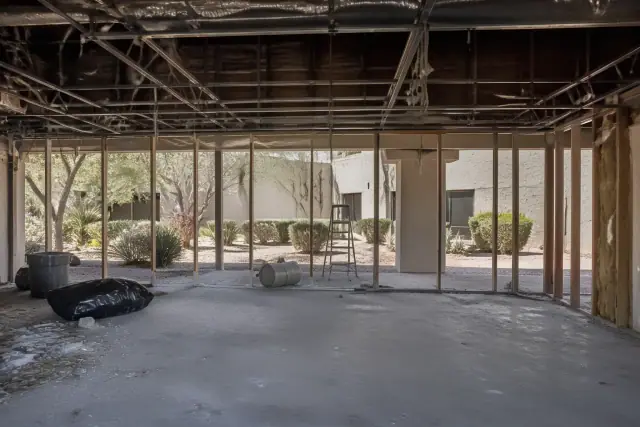
Interior of a commercial office demolition in Tempe, AZ, showing exposed structural studs and desert landscaping outside.

Commercial demolition covers retail spaces, offices, and mixed-use properties near the Arizona State University corridor and Tempe Marketplace. Project planning includes structural engineering coordination, utility shutoffs, and City of Tempe commercial permit requirements.

Explore Service

Interior Demolition

Interior demolition site with exposed studs and utilities in Tempe, AZ, seen through a doorway with desert landscaping.

Interior strip-outs remove kitchens, bathrooms, cabinetry, fixtures, drywall, and non-load-bearing partitions while preserving the building shell. This approach fits many older Tempe tract homes being prepared for renovation.

Explore Service

Selective Demolition

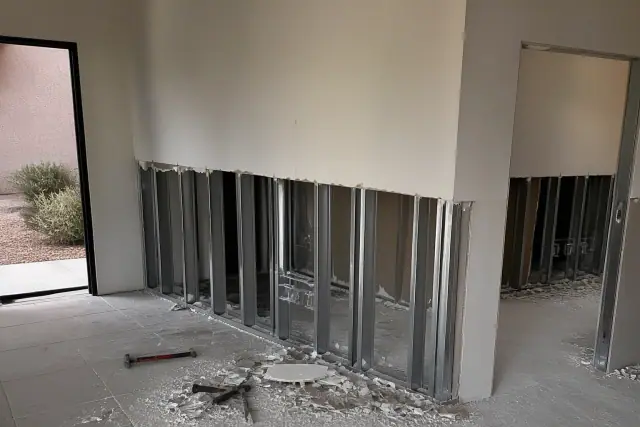
Interior wall with drywall removed and exposed metal studs during a gut renovation in Tempe, AZ.

Selective demolition targets a single wall, addition, damaged room, or other defined component without removing the rest of the structure. The scope is planned around the framing and finishes that must remain.

Concrete Demolition & Removal

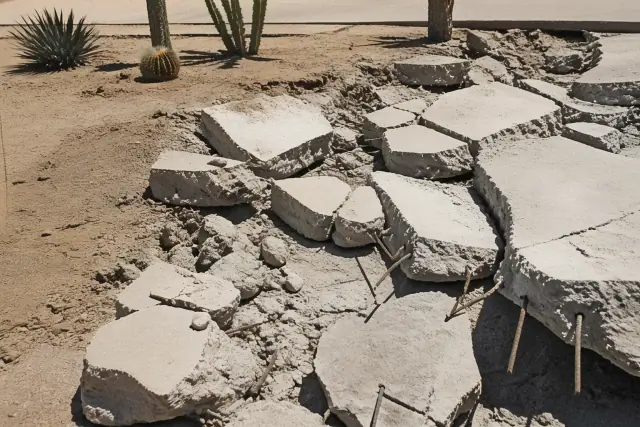
Broken concrete slab with exposed rebar during a demolition project in Tempe, AZ.

Hydraulic breakers and saw-cutting equipment are used for driveways, patios, foundations, slabs, and asphalt. Broken concrete and metal are separated for licensed recycling or disposal facilities whenever material condition allows.

Pool Demolition & Removal

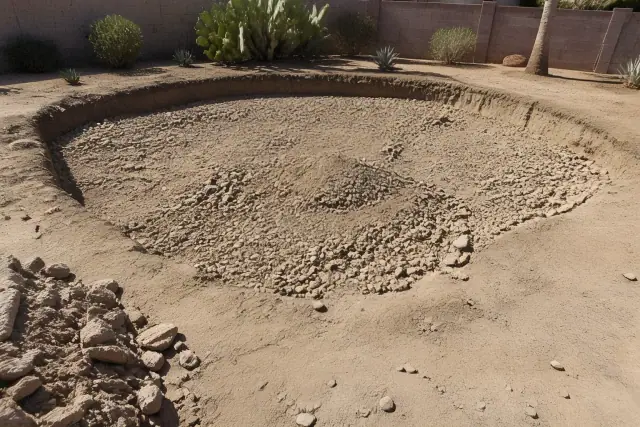
In-ground pool removal site with crushed rock and soil ready for compaction in Tempe, AZ.

Tempe's older backyard pools may predate current setback and drainage-code updates. Full removal excavates the shell and plumbing, while partial fill-in can be considered according to the property's rebuild plans.

Structural Demolition

Interior structural demolition showing exposed studs and utility conduits at a construction site in Tempe, AZ.

Load-bearing walls, roofs, and complete building frames require structural planning before removal. We coordinate engineering review and City of Tempe Building Safety Division requirements for load-bearing changes.

Garage & Shed Demolition

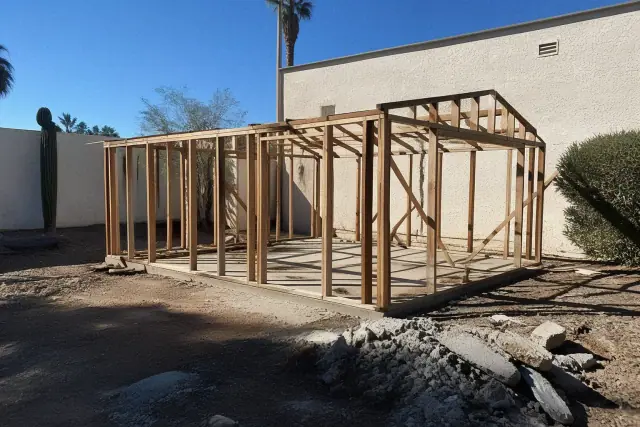
Skeletal wooden framework of a detached garage demolition in Tempe, AZ.

Detached and attached garages can be removed with their slabs, roofing, and framing; standard two-car structures are typically completed in under a day. Sheds, workshops, and outbuildings can be bundled with yard-debris removal and grading.

Flooring Removal

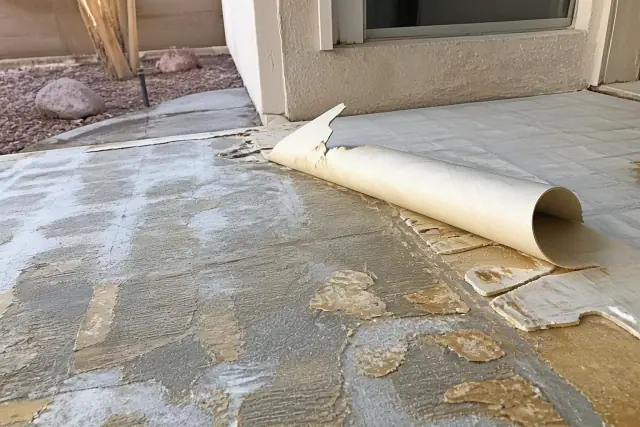
Vinyl flooring removal and exposed subfloor during a renovation in Tempe, AZ.

Carpet, tile, hardwood, and subfloor tear-out is available for kitchens, bathrooms, and whole-house renovations. Flooring debris is bagged and hauled the same day on most residential jobs.

Site Clearing & Debris Removal

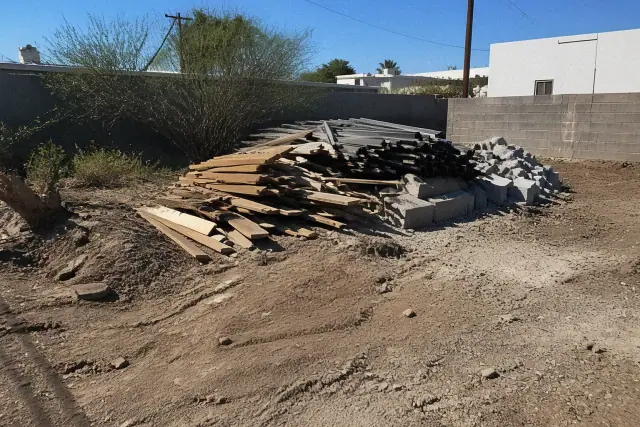
Cleared debris pile of wood, metal, and masonry at a demolition job site in Tempe, AZ under bright desert sun.

Vacant lots, overgrown parcels, and post-demolition sites can be cleared of vegetation and debris, then prepared for grading or new construction. Loads go to Maricopa County-approved transfer stations and recycling centers.

Project Planning

Choosing the Right Tempe Demolition Scope

The right approach depends on what must be removed, what must remain, the structure's age, equipment access, and the property's next use. An in-person assessment lets the estimate reflect the actual foundation, materials, utilities, and debris volume instead of a generic square-footage assumption.

Full or Partial Project Scope

A complete teardown fits a rebuild or lot-clearing plan, while interior or selective work preserves the shell or unaffected rooms. Define the end condition first so demolition, hauling, and grading support the next construction phase.

Structural Engineering Needs

Removing a load-bearing wall, roof section, or building frame requires engineering review. Structural coordination identifies temporary support needs and helps the permit scope match the planned changes.

Pre-1980 Material Testing

Homes built before 1980 may contain asbestos-bearing flooring, siding, or roofing. Testing under Arizona Department of Environmental Quality and federal NESHAP requirements must be resolved before demolition, with licensed abatement used if asbestos is found.

Permits and Utility Shutoffs

City of Tempe approval and verified utility disconnections come before physical work. The scope may require coordination with Salt River Project, Southwest Gas, City of Tempe Water Utilities, and the Maricopa County Air Quality Department.

Site Access and Soil Conditions

Tight urban lots affect equipment size, debris staging, and protection for neighboring property. Caliche and clay soil conditions also matter when foundations, pool shells, or below-grade material are excavated.

Debris Handling and Final Grading

A complete scope should identify hauling, recycling, disposal, and the final lot condition. Separating concrete, asphalt, and metal where practical reduces landfill loads, while grading prepares the site for rebuilding, landscaping, or resale.

Tempe Site Challenges

Demolition Challenges on Tempe Properties

Tempe projects can combine older materials, narrow access, active utilities, desert dust, and weather-sensitive excavation. Identifying these conditions during the site walk helps prevent stop-work delays and protects neighboring structures.

Request Demolition Estimate

Tight Infill Lots

Properties around Downtown Tempe and the university district may sit close to fences, shared walls, traffic, and occupied buildings. Controlled equipment movement and clearly defined site boundaries are essential when staging space is limited.

Older Building Materials

Many local homes include finishes or assemblies installed in the 1960s and 70s. An asbestos survey can identify regulated material before teardown so testing and any required abatement do not interrupt the job.

Caliche and Clay Soils

Tempe's expansive caliche and clay layers can behave unpredictably after a slab, foundation, or pool shell is disturbed. Ground conditions should be checked before heavy equipment and excavation plans are finalized.

Monsoon and Flooding Exposure

Monsoon season typically runs from June through September, bringing flash-flooding risk to open excavations. Concrete and foundation removal should be scheduled around workable weather windows with drainage conditions in mind.

Utility and Neighbor Conflicts

Electric, gas, and water service must be disconnected and verified before demolition starts. Shared walls, nearby fences, and HOA notification requirements may also affect how a crew approaches the property.

Dust-Control Requirements

Maricopa County's PM10 nonattainment status makes dust planning part of most demolition work. Water suppression during teardown, concrete breaking, and soil disturbance helps control airborne particulate in Arizona's dry climate.

Why Choose Us

Why Choose Phoenix Demolition Co. in Tempe?

Choosing an unlicensed operator to save a few hundred dollars can expose a property owner to stop-work orders, fines, or uninsured claims. Phoenix Demolition Co. combines active Arizona licensing and insurance with local permit coordination, site controls, and a cleanup plan built into the estimate.

Active Arizona Licensing and Insurance

Phoenix Demolition Co. holds active licensing through the Arizona Registrar of Contractors and carries general liability coverage. That foundation supports residential and commercial projects with clear responsibility for work performed on site.

Tempe Permit Coordination

Permitting is addressed from the first estimate rather than after equipment arrives. We coordinate City of Tempe review, utility confirmations, dust-control requirements, and relevant HOA or historic-district restrictions.

Safety and Dust-Control Practices

Work follows National Demolition Association practices and OSHA excavation and demolition standards. Water suppression, utility lockout procedures, fall protection, and controlled site boundaries remain active for the duration of the job.

Planned From Start to Finish

Our Tempe Demolition Process

Each project moves from property assessment through permitting, controlled removal, hauling, and site restoration. The sequence is adjusted for structure type, material testing, access, utilities, and the condition expected at handoff.

01.

On-Site Scope Assessment

We walk the property, document the structure, identify access constraints, review the desired end condition, and prepare an estimate based on the actual site.

02.

Testing and Engineering Review

The structure is checked for asbestos-testing needs, load-bearing changes, utility conflicts, and other conditions requiring engineering or specialist review.

03.

Permits and Disconnections

We file with the City of Tempe Building Safety Division, secure required Maricopa County dust-control approval, and confirm electric, gas, and water disconnections.

04.

Site Controls and Mobilization

Equipment, debris staging, water suppression, fall protection, and site boundaries are organized around the lot's access and neighboring properties before removal begins.

05.

Controlled Demolition

Excavators and skid steers handle mechanical work, while selective areas may be removed by hand. Dust suppression and site-safety controls remain active throughout execution.

06.

Hauling and Site Restoration

Debris is sorted and hauled to licensed recycling or disposal facilities. The lot is then graded for the next phase, whether the plan is rebuilding, landscaping, or resale.

Expected End Conditions

Typical Demolition Outcomes for Tempe Properties

Case Study 1: Full residential teardown: The structure and designated foundation are removed, debris is hauled, and the lot is graded for a planned rebuild or resale.

Case Study 2: Interior or selective removal: Cabinets, fixtures, drywall, flooring, or defined structural components are taken out while the planned shell and surrounding areas remain.

Case Study 3: Pool or concrete removal: The selected shell, slab, driveway, or foundation is broken out, hauled, and followed by the fill or grading included in the approved scope.

Plan Your Project

Plan Your
Tempe Demolition
Project

Request an on-site estimate for a Tempe residential, commercial, interior, concrete, pool, or site-clearing project. We will review the structure, access, permits, utility coordination, debris plan, and final site condition before you commit.

Tempe Demolition Help

Tempe Demolition FAQs

These answers cover typical costs, timing, permits, site controls, material testing, and service options for demolition projects in Tempe.

Call About Demolition

Residential demolition in Arizona generally costs $3,000 to $25,000, or about $2 to $17 per square foot, depending on size, foundation type, material composition, and site access. The source's typical Tempe range for a full house demolition is $8,000 to $25,000. Phoenix Demolition Co. walks the property before quoting and includes demolition, debris hauling, and site grading in the estimate.

A 2,000-square-foot home typically costs $8,000 to $20,000 for full demolition. Slab-on-grade versus basement construction, roofing and interior materials, debris volume, and asbestos-abatement needs can move the final price. The estimate identifies structure demolition, hauling, and required permitting costs.

Phoenix Demolition Co. is a licensed, insured contractor serving Tempe and the surrounding East Valley. Services include residential, commercial, interior, selective, concrete, pool, structural, garage, shed, and flooring demolition, plus site clearing and debris removal. The team coordinates City of Tempe permitting and utility disconnections as part of the process.

A single-story home of about 1,200 square feet, roughly 30 by 40 feet, typically takes one to two days for physical demolition after permits and utility disconnections are complete. With asbestos testing, permit review, and debris hauling, the full project often takes one to two weeks from the initial estimate to a cleared lot. Basements and attached structures can extend that schedule.

Yes. Residential demolition requires a permit through the City of Tempe Building Safety Division, along with verified utility disconnections. Depending on the structure's age, an asbestos survey and Maricopa County dust-control approval may also be required before work begins.

Available work ranges from full residential and commercial teardown to interior, selective, concrete, pool, structural, garage, shed, and flooring removal. Site clearing, vegetation removal, debris hauling, recycling, and grading can also be included. The site assessment determines which scope fits the property and its next use.

The source lists a typical range of $2,000 to $10,000 for interior or selective demolition. Cost depends on the rooms or components being removed, whether load-bearing work is involved, access, material composition, and debris volume. A targeted scope can cost less than a full teardown when the remaining structure is preserved.

The source lists $9,000 to $16,000 as a typical range for full pool removal. The final scope depends on shell and plumbing removal, access for excavation equipment, disposal volume, soil conditions, and the property's rebuild plan. Partial fill-in is another option when it fits the intended end use.

The source lists $1,500 to $6,000 as a typical range for garage or shed demolition. Standard two-car garage removal is typically completed in under a day, while attached construction, slab removal, roofing, and disposal volume can affect timing and price. Shed removal may be bundled with yard-debris clearing and grading.

The source lists $3 to $7 per square foot as a typical range for concrete or driveway removal. Hydraulic breakers and saw-cutting equipment may be used for slabs, patios, foundations, driveways, and asphalt. Access, thickness, reinforcement, hauling volume, and final grading affect the estimate.

Homes built before 1980 may contain asbestos-bearing flooring, siding, or roofing and may require a survey before demolition. Arizona Department of Environmental Quality and federal NESHAP requirements apply to testing and handling. If asbestos is found, licensed abatement must be completed before teardown proceeds.

Electric, gas, and water disconnections must be confirmed before physical demolition. Tempe projects may involve coordination with Salt River Project, Southwest Gas, and City of Tempe Water Utilities. Verification is completed before equipment is mobilized.

Maricopa County Air Quality Department requirements address the region's PM10 nonattainment status. Water-based suppression is used during demolition, concrete breaking, and soil disturbance to limit airborne particulate. Most demolition work also requires a county dust-control permit.

Coverage includes Downtown Tempe, Rio Salado, Broadmor, Sunburst Farms, Warner Ranch, the Kyrene corridor, Papago Park, South Tempe, and areas near Arizona State University and Tempe Town Lake. Service also extends to Mesa, Chandler, Scottsdale, Guadalupe, Ahwatukee, greater Phoenix, and Maricopa County.

Concrete, asphalt, and metal are separated for recycling whenever material condition allows. Other debris is hauled to licensed disposal facilities or Maricopa County-approved transfer stations. After hauling, the site is graded for rebuilding, landscaping, or resale according to the approved scope.