Proudly serving Phoenix, Mesa, Scottsdale, Glendale, Chandler, Tempe & surrounding areasCall or Text 24/7: 480-264-9793
Aerial view of Phoenix, AZ residential neighborhoods, saguaro cacti, and desert landscape during golden hour.

Demolition Services in Chandler, AZ for Residential & Commercial Properties

Phoenix Demolition Co. provides residential and commercial demolition throughout Chandler, including whole-house and full-building removal. Our crews also handle interior and selective demolition, concrete and pool removal, structural demolition, garage and shed removal, flooring tear-out, site clearing, and debris hauling. We coordinate the permit, utility-disconnect, demolition, sorting, and haul-away scope so property owners are not left managing separate crews.

Chandler projects often involve caliche-heavy soil, slab-on-grade foundations, older block construction, or pools built during rapid growth in the 1990s and 2000s. Those conditions affect equipment selection, foundation removal, and backfill compaction. We begin with a free site evaluation, identify utilities and potential hazardous materials, and plan around City of Chandler requirements before mechanical demolition begins. A written demolition estimate explains what the scope includes and gives you a project-specific timeline.

We serve Historic Downtown Chandler, Ocotillo, Fulton Ranch, Sun Groves, and surrounding East Valley communities for residential and commercial work.

★ ★ ★ ★ ★4.9/5 Average Rating - 20+ Years of Experience - Chandler Demolition Contractor Specialists - Residential & Commercial
Demolition Services
Demolition Services Available in Chandler, AZ

Choose a complete teardown or a targeted removal plan based on the structure, renovation goals, foundation, utilities, and disposal volume. The same permitting-first approach supports properties throughout Chandler and in nearby Tempe, AZ , while equipment and agency coordination remain specific to each site.

Residential Demolition

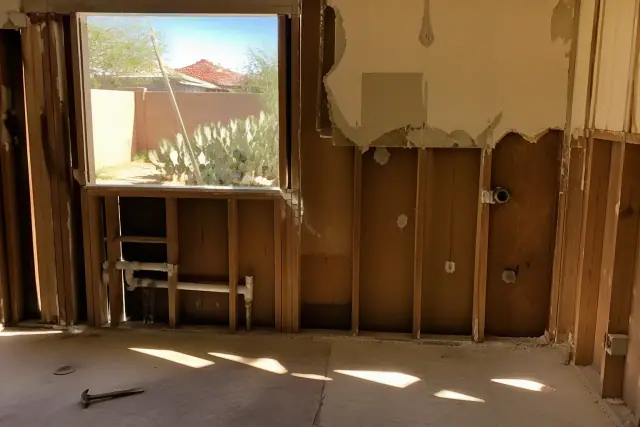
Interior of a residential home under demolition with exposed wall framing and prickly pear cactus in Chandler, AZ.

Whole-house demolition supports rebuilds, distressed-property clearing, and lot preparation for custom construction. The scope combines City of Chandler permitting, utility disconnects, mechanical demolition, debris sorting, and haul-away.

Explore Service

Commercial Demolition

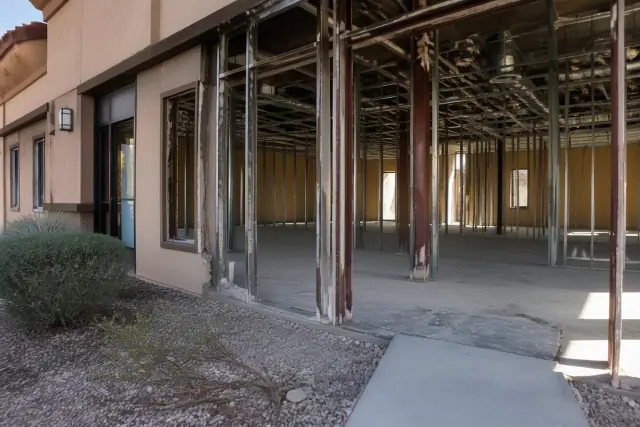
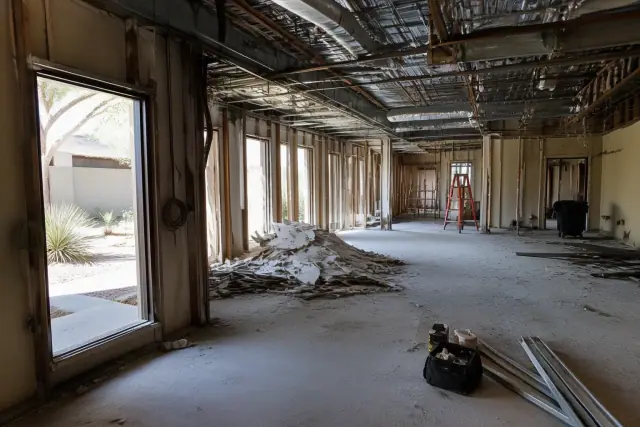
Commercial office demolition showing exposed structural studs and utility conduits at a jobsite in Chandler, AZ.

Commercial demolition covers retail buildings, office interiors, warehouses, and light industrial structures, including properties near Loop 101 and the Price Road technology corridor. Work can range from a tenant-space teardown to complete building removal before redevelopment.

Explore Service

Interior Demolition

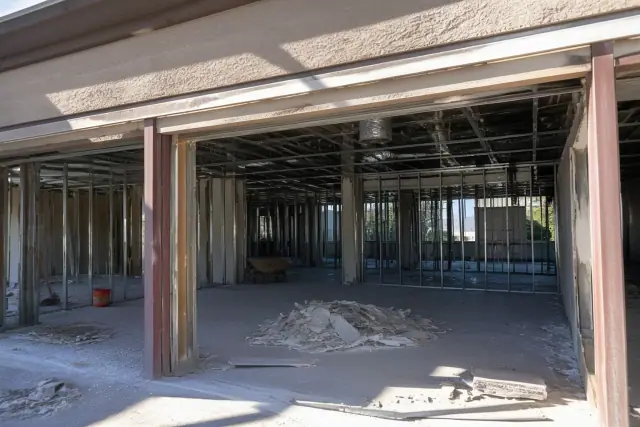
Interior demolition of a commercial office space with exposed studs and debris at a jobsite in Chandler, AZ.

Interior demolition removes walls, cabinetry, ceilings, fixtures, tile, and other finishes while protecting the structural shell and adjacent completed areas. Pricing typically runs $2 to $8 per square foot, depending on material density and disposal volume.

Explore Service

Selective Demolition

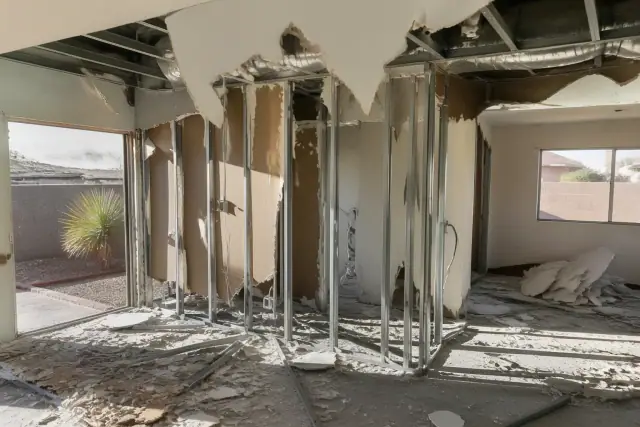
Selective demolition of a partition wall with exposed metal studs and construction debris at a residential site in Chandler

Selective demolition removes a specific room, addition, wall, or building component while preserving the foundation, structural shell, and unaffected areas when the project allows. It can reduce rebuilding needs and landfill volume compared with a full teardown.

Concrete Demolition & Removal

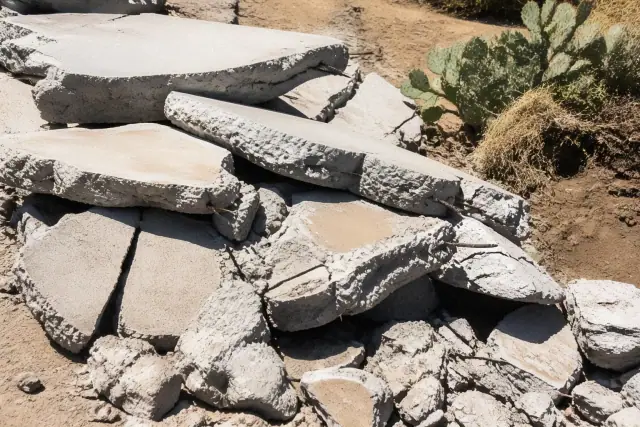
Concrete demolition and removal site with jagged concrete slabs and exposed rebar in Chandler, AZ.

Concrete demolition includes breaking, removal, and haul-away for driveways, patios, slabs, and foundations. Chandler's caliche subsoil can call for hydraulic hammers, and crushed concrete is separated for recycling where local facilities accept it.

Pool Demolition & Removal

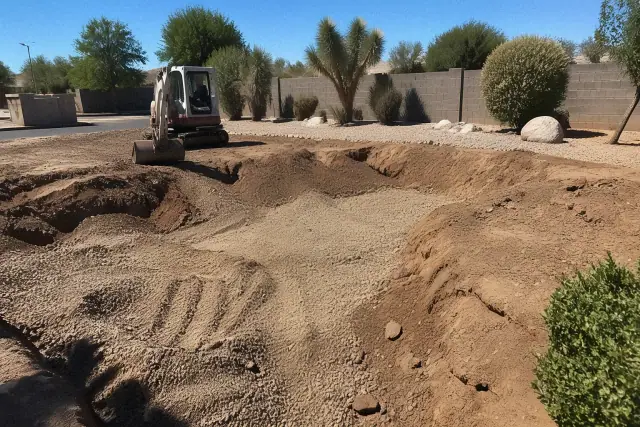
Heavy equipment tracks in a pool demolition site filled with aggregate in Chandler, AZ.

Pool demolition can use full removal, which excavates the entire shell, or partial removal, which breaks the bottom for drainage before backfilling. Proper compaction is especially important in Chandler's expansive clay and caliche soils to limit future settling.

Structural Demolition

Interior structural demolition in progress with exposed framing and debris at a construction site in Chandler, AZ.

Structural demolition addresses load-bearing walls, beams, and other structural elements within a renovation or teardown. The work is coordinated with engineering review whenever removing a component could affect the building's integrity.

Garage & Shed Demolition

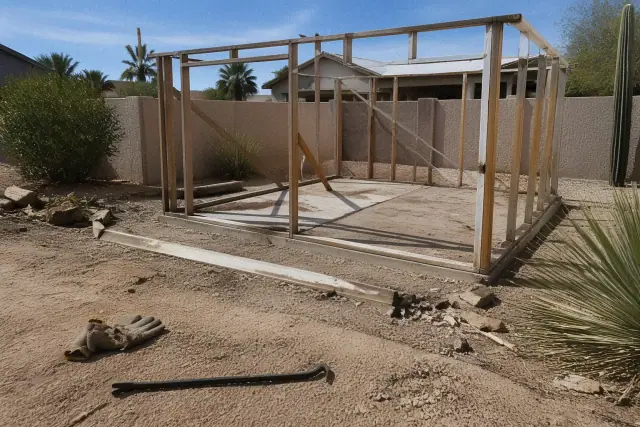
Partially demolished garage and shed structure with tools in a residential backyard in Chandler, AZ.

Attached and detached garages, storage sheds, workshops, and accessory structures can be removed with their foundations when required. Arizona may allow sheds under 200 square feet without a building permit, but structures with utilities still require proper disconnection before demolition.

Flooring Removal

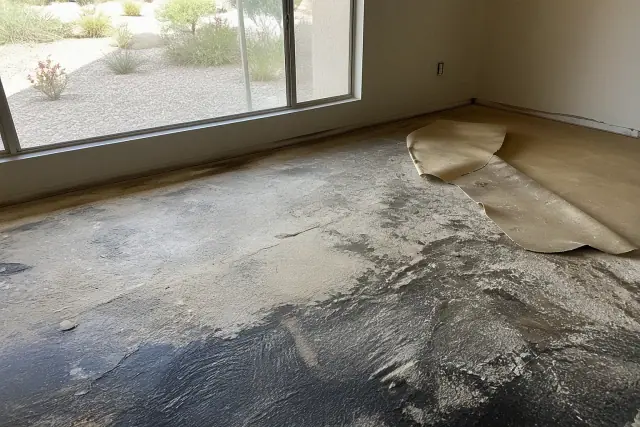
Vinyl flooring being removed from a subfloor during a home demolition project in Chandler, AZ.

Flooring removal covers tile, carpet, hardwood, vinyl, mastic, and underlayment ahead of renovation. Debris is hauled away the same day in most cases to help the next trade stay on schedule.

Site Clearing & Debris Removal

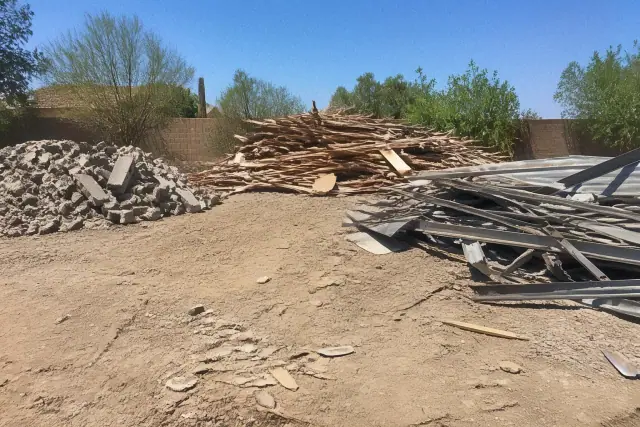
Sorted construction waste and debris awaiting removal at a demolition jobsite in Chandler, AZ.

Site clearing removes vegetation, demolition waste, unwanted structures, and construction debris before a new build or redevelopment. Crews coordinate grading with the builder and separate recyclable concrete and metal to reduce landfill volume where facilities accept those materials.

Project Planning

How to Choose Demolition Services in Chandler

A useful demolition plan starts with the exact removal limits, then accounts for permits, utility status, possible hazardous materials, soil and foundation conditions, equipment access, and debris volume. Compare contractors on how clearly they address each part of that sequence in a written scope.

Define the Demolition Scope

Decide whether the project calls for a whole-structure teardown, interior demolition, selective removal, or one material-specific service. Clear removal limits help protect the structural shell and unaffected finishes when only part of a property is changing.

Permits and Utility Disconnects

Most Chandler residential and commercial teardowns require a demolition permit through the Building Safety Division. The project plan should also cover disconnect confirmations from SRP, Southwest Gas, and City of Chandler water services before demolition starts.

Pre-Demolition Site Evaluation

A pre-demolition inspection should identify buried utility lines, septic systems, equipment access, and materials that may require testing or abatement. Homes built before 1980 receive added attention because flooring and texture coats may contain asbestos.

Equipment for Caliche and Concrete

Excavators and skid steers should be sized for the structure, lot access, and debris volume. Dense caliche beneath Chandler slabs and pools may require a hydraulic breaker and additional excavation time instead of a standard concrete breaker.

Debris Sorting and Haul-Away

Confirm that the demolition scope includes debris sorting, hauling, and disposal rather than leaving those items for another vendor. Concrete, wood, and metal can be separated for recycling where local facilities accept them, with remaining material sent to licensed Maricopa County disposal sites.

Written Scope and Estimate

A written estimate should follow the site evaluation and identify what the project price includes. Structure size, foundation type, material composition, disposal volume, utility work, and hazardous-material needs all influence cost and schedule.

Chandler Demolition Challenges

Common Demolition Challenges on Chandler Properties

Chandler grew from 236,123 residents in 2010 to 275,987 in the 2020 census, making it Arizona's fourth-most populous city at that time. That growth places 1970s and 1980s block homes beside post-2000 subdivisions and active redevelopment, creating very different demolition conditions from one site to the next.

Request Site Evaluation

Caliche and Heavy Concrete

Caliche is a dense calcium carbonate layer that does not break down like ordinary fill. When it sits beneath a slab, foundation, or pool shell, removal may need hydraulic hammers and more excavation time.

Pre-1980 Material Concerns

Popcorn ceilings, floor tile, and texture coats installed before 1980 may contain asbestos. Suspect material must be evaluated and, when required, handled by certified abatement personnel before general demolition proceeds.

Buried Utilities and Septic Systems

Undocumented utilities can stop excavation and threaten nearby services, so locations are verified through Arizona 811 before digging. Older lots that use septic also require abandonment approval from Maricopa County Environmental Services before home demolition.

Extreme Heat and Monsoon Weather

Summer temperatures that regularly exceed 110 degrees affect crew scheduling, dust control, and equipment wear. Monsoon conditions from June through September can make loose debris and open excavations hazardous unless the site is secured and managed for changing weather.

Backfill Compaction and Settling

Pool and foundation removal disturb expansive clay and caliche soils that need deliberate backfill and compaction. The chosen full- or partial-pool-removal method changes how the shell, drainage, and fill must be handled to reduce future settling.

Dust, Debris, and Site Protection

Dry summer conditions can turn concrete and building debris into significant airborne dust without water suppression. Work plans also need to protect adjacent finished areas and follow Maricopa County Air Quality Department fugitive-dust requirements when they apply.

Why Choose Us

Why Choose Phoenix Demolition Co. in Chandler?

Phoenix Demolition Co. combines Chandler-specific project planning with the credentials and controls needed for excavation, structural removal, and debris handling. Permitting, utility coordination, site safety, and clear communication remain part of the scope from evaluation through final grading.

Chandler Demolition Knowledge

Local experience informs bids for caliche, slab-on-grade construction, older block homes, newer subdivisions, and the city's backyard pool stock. Familiarity with Chandler's Building Safety Division also helps the permit package start with the expected documentation.

Licensed, Bonded, and Insured

The company operates as a licensed and bonded demolition contractor under the Arizona Registrar of Contractors and carries general liability insurance for every project. Property owners can confirm an active contractor license directly with the state regulator before hiring.

Safety and Clear Communication

Crews follow OSHA safety practices for equipment operation, fall protection, and dust control. If an undocumented line, unstable soil, or suspected hazardous material appears, work stops so the issue can be documented and the next step communicated before proceeding.

Six-Step Process

Our Demolition Process in Chandler

Demolition moves in a deliberate order so permits, disconnected utilities, hazardous-material requirements, and equipment access are resolved before teardown. The final stages cover material sorting, licensed disposal, grading, and cleanup for the next phase of the property.

01.

Evaluate the Site and Scope

During the free site evaluation, we walk the property, confirm removal limits, locate known utilities, review access, and note the structure, foundation, pool, or interior materials involved. Those observations support a written quote and project-specific plan.

02.

Secure Permits and Disconnect Utilities

We prepare the City of Chandler demolition permit and coordinate confirmations for electric, gas, and water disconnects. Septic abandonment approval is added for older lots that are not connected to city sewer.

03.

Clear Hazardous Materials

Potential asbestos, lead paint, or contaminated soil is evaluated before general demolition. When abatement is required, certified personnel complete that work and any necessary Maricopa County Air Quality Department notification first.

04.

Schedule and Mobilize Equipment

Excavators, skid steers, or hydraulic breakers are selected for the lot, structure, and ground conditions. Heavy-equipment work is scheduled around Chandler's weekday construction-noise limits, which restrict activity before 6:00 a.m. and after 8:00 p.m., with tighter weekend windows.

05.

Demolish, Sort, and Haul

Crews complete the planned mechanical or selective removal while controlling dust and protecting adjacent areas. Concrete, metal, and wood are sorted for recycling where feasible, and remaining debris is hauled to licensed disposal facilities.

06.

Grade and Clean the Site

After haul-away, the crew grades and cleans the work area for construction, landscaping, or the next renovation trade. Most single-family mechanical demolitions take one to three days, while selective interior removal can often finish in a single day once pre-demolition requirements are complete.

Project Outcomes

Demolition Outcomes for Chandler Homes & Businesses

Case Study 1: Rebuild-Ready Lot: Whole-house or commercial demolition removes the structure, foundation elements in scope, and debris before final grading for the next construction phase.

Case Study 2: Renovation-Ready Interior: Interior or selective demolition clears targeted walls, fixtures, flooring, and finishes while preserving the structural shell and adjacent completed areas.

Case Study 3: Cleared Outdoor Area: Pool, concrete, garage, shed, and site-clearing scopes combine removal, appropriate backfill or pad grading, recyclable-material separation, and haul-away.

Request an Estimate

Plan Your
Chandler Demolition
Project

Start with a free site evaluation and written demolition quote tailored to the structure, foundation, access, utilities, and debris volume. Our veteran-owned team can explain the permit sequence, likely equipment, disposal scope, and next steps before you commit to a timeline.

Chandler Demolition Help

FAQs About Demolition in Chandler, AZ

These answers cover licensing, timelines, permits, pricing factors, demolition methods, debris handling, and Chandler site conditions. Call for a property-specific evaluation when your structure, utilities, or next construction phase calls for a more detailed plan.

Call Our Demolition Team

An Arizona demolition contractor should hold an active license through the Arizona Registrar of Contractors, which requires experience, a trade exam, and a surety bond. Phoenix Demolition Co. is licensed and bonded and carries general liability insurance; property owners should still confirm the license directly with the state regulator before hiring.

Most single-family house demolitions take one to three days from mechanical demolition through grading, depending on size and foundation type. Interior or selective demolition can often be completed in a single day, while pools, septic abandonment, or required asbestos abatement add time before or during the overall schedule.

Yes. Phoenix Demolition Co. includes debris sorting, hauling, and disposal in its residential and commercial demolition scope, with concrete, metal, and wood separated for recycling where local facilities accept them.

Most residential teardowns require a City of Chandler demolition permit through the Building Safety Division plus disconnect confirmations from SRP, Southwest Gas, and city water services. A pre-1980 home may also need asbestos-related review through the Maricopa County Air Quality Department, and a property on septic requires abandonment approval from Maricopa County Environmental Services.

Selective demolition can lower removal and rebuilding needs when the foundation, structural shell, and unaffected rooms can remain. It works well for additions, kitchens, bathrooms, and partial renovations and usually creates less debris than a complete teardown.

House demolition in Arizona typically costs between $8,000 and $25,000, with most standard single-family homes in the $10,000 to $18,000 range. Size, foundation type, asbestos abatement, septic abandonment, permit fees, and debris volume can change the total, so a Chandler site evaluation is more reliable than a generic calculator.

Interior demolition typically runs $2 to $8 per square foot, depending on material density and disposal volume. The amount of tile, cabinetry, ceilings, fixtures, mastic, and underlayment involved also affects labor, protection needs, and hauling.

Full pool removal excavates the entire shell, while partial removal breaks the bottom for drainage and backfills the remaining shell in place. Chandler's expansive clay and caliche soils make the selected backfill and compaction method important for limiting future settlement.

Homes built before 1980 may contain asbestos in popcorn ceilings, floor tile, or texture coats, so these materials receive added review before demolition. If testing identifies material that requires abatement, certified personnel must clear it before the general demolition crew proceeds.

Caliche is a hard calcium carbonate layer that can sit beneath slabs, foundations, and pool shells. It may require hydraulic hammers and additional excavation time, and it also affects how removed areas are backfilled and compacted.

Electric, gas, and water services must be disconnected and capped before mechanical work begins, with confirmations coordinated through SRP, Southwest Gas, and City of Chandler water services. Arizona 811 is also used to verify underground utility locations before excavation-related demolition.

Service covers Chandler neighborhoods including Downtown, Ocotillo, Fulton Ranch, and Sun Groves, plus Gilbert, Tempe, Mesa, Sun Lakes, Queen Creek, South Phoenix, and the broader Phoenix metropolitan area. Residential and commercial crews travel throughout the East Valley and plan each project around the permitting requirements for its municipality.

Chandler's noise ordinance restricts construction noise before 6:00 a.m. and after 8:00 p.m. on weekdays, with tighter windows on weekends. Heavy-equipment scheduling must also account for extreme summer heat and monsoon conditions that can affect an open site.

Yes, any garage, shed, workshop, or accessory structure with electrical or other utility service needs proper disconnection before demolition. Arizona may allow sheds under 200 square feet without a building permit, but that allowance does not remove the utility-safety requirement.

After debris is sorted and hauled away, the crew grades and cleans the demolition area for the next phase of construction, landscaping, or interior work. Pool and foundation scopes also include the specified backfill or pad-area grading so the completed condition matches the written project plan.