Proudly serving Phoenix, Mesa, Scottsdale, Glendale, Chandler, Tempe & surrounding areasCall or Text 24/7: 480-264-9793
Aerial view of Phoenix, AZ residential neighborhoods, saguaro cacti, and desert landscape during golden hour.

Pool Demolition & Removal in Phoenix, AZ for Inground & Above-Ground Structures

Phoenix Demolition Co. provides pool demolition and removal in Phoenix, Arizona, for homeowners and property managers. We handle full inground pool extraction, partial pool fill-ins, above-ground pool takedowns, and residential or commercial projects. Our crews remove gunite, shotcrete, concrete, fiberglass, and vinyl-liner pools, including equipment disconnection, debris hauling, engineered backfill, and final grading. The work is planned around site access, nearby utilities, and the intended use of the cleared space.

In the Salt River Valley, dense caliche, decades of triple-digit summers, and monsoon runoff make pool excavation different from work in soft soil. Compact excavators and skid steers help crews navigate narrow side yards while protecting patios, block walls, foundations, and utility lines. Each project follows Arizona Registrar of Contractors licensing requirements, City of Phoenix permitting, and Maricopa County dust-control procedures. Careful compaction and drainage-aware grading prepare the area for sod, pavers, or a future structure.

Older pools are evaluated for suspect asbestos in plaster, mastic, and pipe insulation before structural demolition begins. Gas and electrical disconnections are coordinated with licensed trade professionals, while concrete, rebar, and equipment are sorted for appropriate recycling or disposal.

Phoenix Demolition Co. provides pool demolition and removal in Phoenix and throughout the greater Valley, including Scottsdale, Tempe, Mesa, Glendale, and Chandler.

★ ★ ★ ★ ★4.9/5 Average Rating · 20+ Years of Experience · Thousands of Customers Helped · Licensed & Insured · Residential & Commercial

Pool Removal Options & Benefits

What Is Pool Demolition & Removal?

Pool demolition and removal is a permitted construction process that combines utility locating, water discharge, equipment disconnection, structural demolition, debris hauling, backfill, and grading. The scope changes with the pool material, equipment access, surrounding decking, and how the property will be used afterward.

Full removal extracts the entire shell, walls, coping, and rebar, typically costing $17,000 to over $30,000 depending on size and access. Partial removal breaks the bottom for drainage, removes portions of the walls, and buries the remaining structure with engineered fill, generally costing $8,000 to $16,000.

A partial removal leaves a buried shell that must be documented for Maricopa County resale disclosure. Full extraction clears the footprint more completely, which can matter when the future plan includes a deck, an accessory dwelling unit, or another structure. The right choice depends on budget, site access, and the intended use of the finished yard.

Benefits of Removing an Unused Pool

Removing a cracked, leaking, or unwanted pool can turn a maintenance burden into usable property. A properly planned project addresses utilities, debris, fill density, drainage, and the next use of the space rather than stopping after the shell is broken.

  • Eliminates ongoing pump, heater, chemical, cleaning, and resurfacing needs
  • Can reduce monthly electricity use by up to 20% after the pump and heater are removed
  • Ends water loss from evaporation and chronic pool leaks
  • Creates space for sod, pavers, a deck, or a future accessory dwelling unit
  • Homeowners report saving an average of $2,400 on removal compared with continued repair costs
  • Removes cracked shells, failing plaster, coping, tile, and unwanted equipment
  • Separates concrete, rebar, and metal components for appropriate recycling or disposal
  • Prepares the footprint with engineered fill, compaction, and drainage-aware grading
Removal Services

Pool Demolition & Removal Services

The project scope can range from dismantling a lightweight above-ground frame to extracting an entire reinforced concrete shell. Phoenix Demolition Co. plans the equipment, permitting, hauling, backfill, and finish work around the pool type and property conditions.

Full Inground Pool Removal

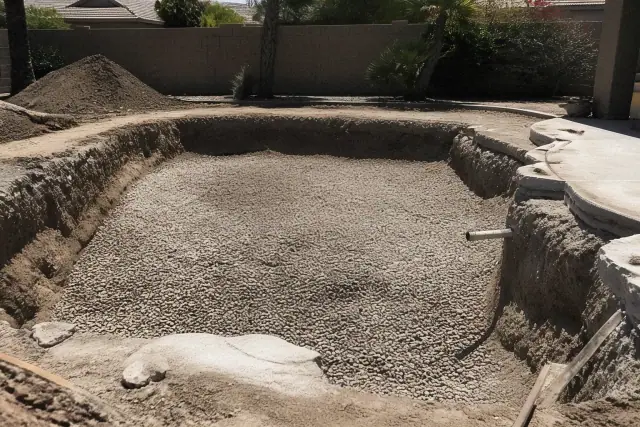
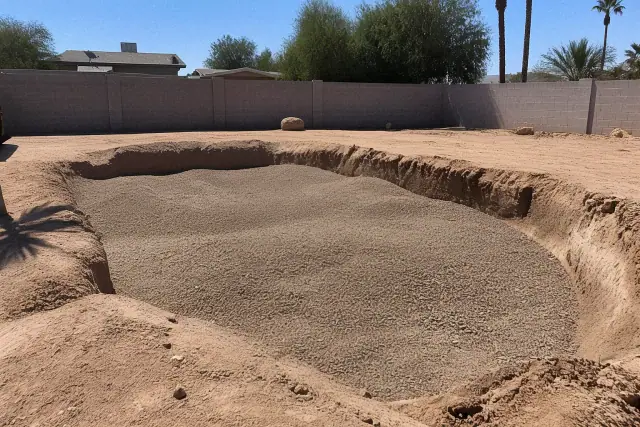
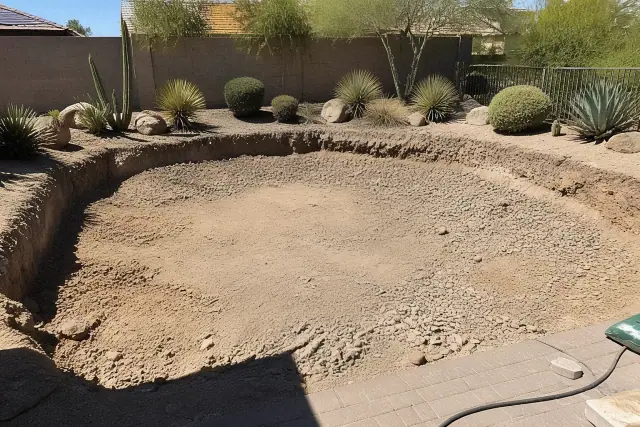
Excavated swimming pool filled with aggregate for soil compaction at a project site in Phoenix, AZ.

Full removal takes out the floor, walls, coping, tile, and reinforcing steel instead of leaving the shell underground. Concrete or gunite is broken into manageable pieces, hauled to licensed recycling or landfill facilities in Maricopa County, and followed by engineered backfill and final grading.

Request Estimate

Partial Pool Removal and Fill-In

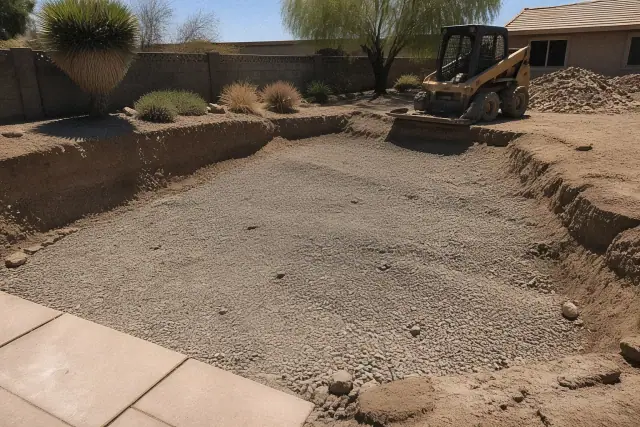
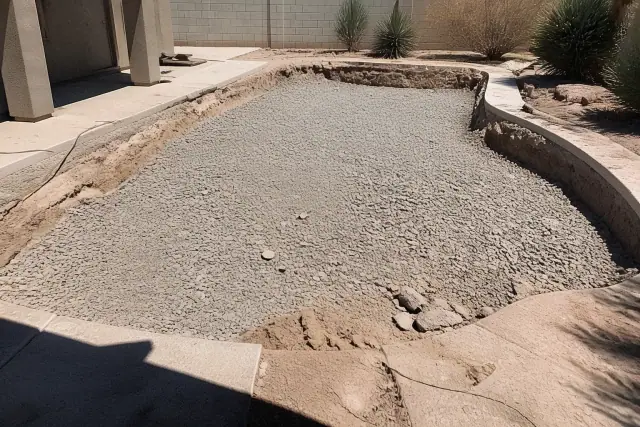
Partial pool removal and fill-in process with aggregate soil at a jobsite in Phoenix, AZ.

A partial removal creates drainage openings in the bottom, removes upper wall sections, and fills the remaining cavity in compacted lifts. Because part of the structure remains buried, the completed work and disclosure requirements should be documented for a future sale.

Request Estimate

Above-Ground Pool Takedown

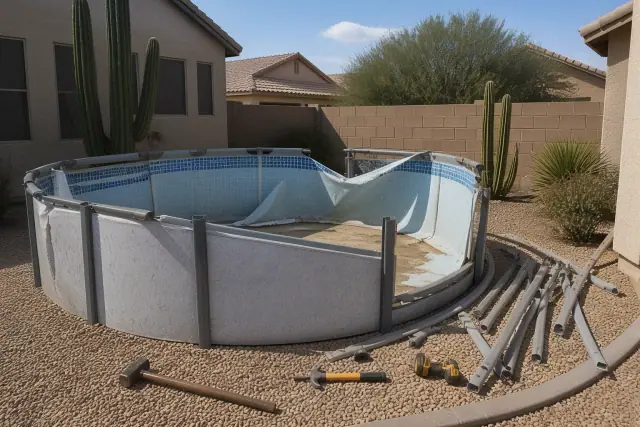
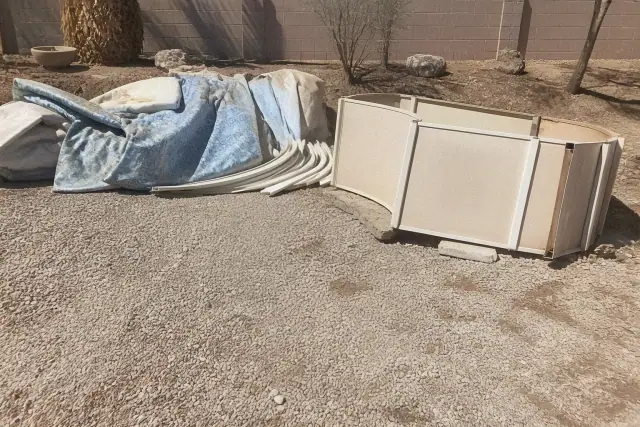
Partially disassembled above-ground pool frame and liner at a residential jobsite in Phoenix, AZ.

Above-ground removal includes draining the liner, disconnecting the pump and filter, dismantling metal or resin panels, and removing the base sand or gravel pad. Most projects finish in a single day, sometimes two when attached decking or fencing adds work, and aluminum, steel, and liner materials are separated where recycling is available.

Request Estimate

Residential Pool Demolition

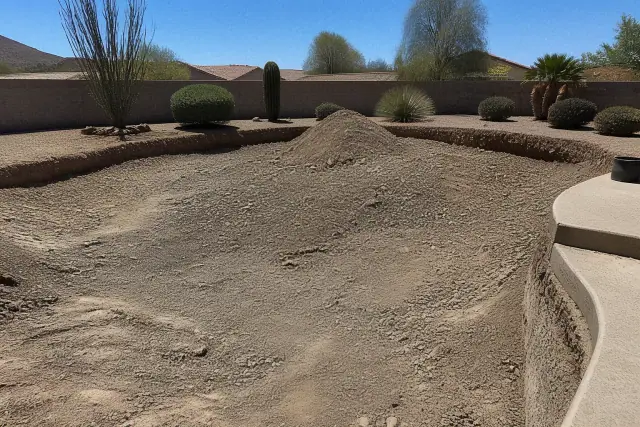
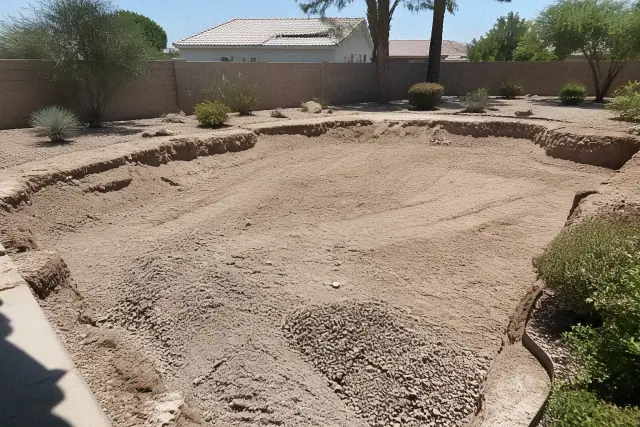
In-ground pool demolition in progress with exposed aggregate and raw earth in a backyard in Phoenix, AZ.

Residential work is planned around homes, patios, block walls, irrigation lines, and mature landscaping. In Arcadia, Encanto, and Central City, five-foot side gates can require compact skid steers or mini-excavators, protective plywood or steel plate, and carefully controlled backyard access.

Request Estimate

Commercial Pool Removal

Excavated pool basin filled with aggregate during a demolition project in Phoenix, AZ.

Apartment complexes, hotels, and HOA common areas may require staged demolition, fenced work zones, coordinated noisy hours, traffic planning, and both pre-demolition and final grading inspections. Larger commercial removals often take one to three weeks depending on shell size, decking scope, and truck access.

Request Estimate

Equipment, Decking, and Debris Removal

Construction equipment and debris removal during a pool demolition project in Phoenix, AZ.

The preparation scope can include pumps, filters, heaters, lights, skimmers, drain lines, coping, pavers, and surrounding decking. Gas and electrical connections are handled by licensed trades before demolition, while rebar and metal equipment are separated from concrete and other debris for hauling.

Request Estimate
Removal Methods

Types of Pool Removal Options

Comparing removal methods means looking at how much structure will remain, what the shell is made from, how equipment can reach the yard, and what will be built over the footprint. These factors shape demolition, hauling, backfill, documentation, and cost.

Full shell pool removal with loose aggregate and soil grading at a worksite in Phoenix, AZ.

Full Shell Extraction

Full extraction is the most complete approach for an inground pool because the shell and reinforcing materials leave the property. It creates a clear excavation that can be backfilled for the next planned use.

  • Removes the floor, walls, coping, tile, and rebar
  • Hauls concrete, gunite, or shotcrete debris off-site
  • Separates reinforcing steel for scrap recycling
  • Leaves no buried shell requiring later disclosure
  • Supports planning for a yard, deck, or future structure
Request Estimate
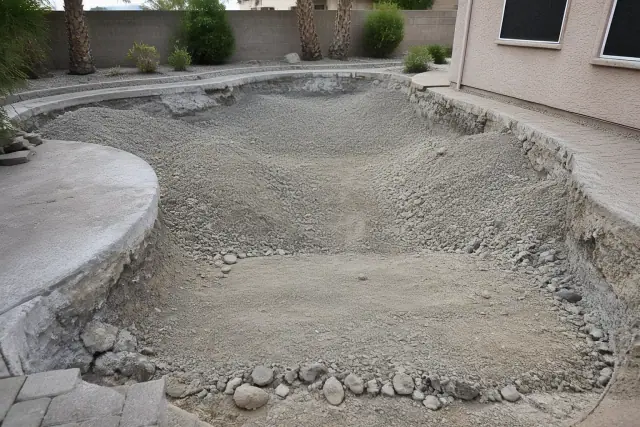
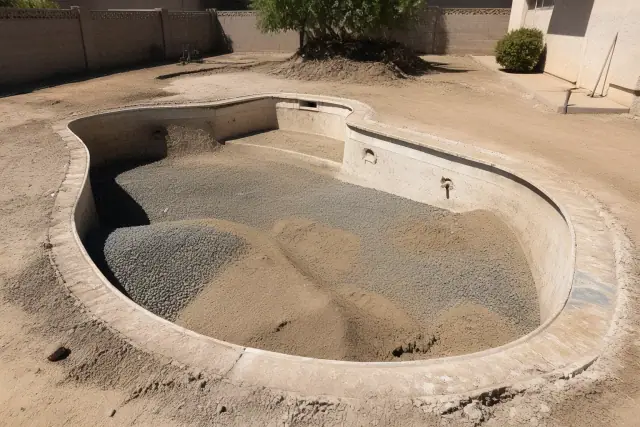
In-ground pool being filled with layers of aggregate and dirt at a demolition site in Phoenix, AZ.

Partial Pool Fill-In

A fill-in retains part of the pool structure and uses engineered fill to create a stable finished grade. It usually costs less than full extraction but requires clear documentation because the buried shell remains on the property.

  • Breaks the shell bottom to provide drainage openings
  • Removes or knocks down upper wall sections
  • Places engineered fill in compacted lifts
  • Reduces the amount of shell material hauled away
  • Requires buried-pool documentation for future resale
Request Estimate
In-ground pool removal and soil grading at a residential job site in Phoenix, AZ.

Concrete and Gunite Pool Removal

For a standard inground pool, concrete and gunite removal is listed in the source at a fixed-fee range of $5,035 to $15,105, including labor and hauling. Actual scope still depends on shell size, access, decking, and whether the project is a full removal or fill-in.

  • Uses a hydraulic hammer to break reinforced shell material
  • Handles concrete, gunite, and shotcrete construction
  • Separates embedded rebar from broken shell debris
  • Matches excavator size to gate and side-yard access
  • Accounts for dense caliche during excavation and grading
Request Estimate
Excavation site with a hollowed pool basin filled with aggregate during a fiberglass pool removal in Phoenix, AZ.

Fiberglass Pool Removal

Fiberglass pool removal typically falls between $6,000 and $15,000. The shell often comes out in large sections rather than as broken rubble, so equipment access and hauling are planned around the size and shape of those pieces.

  • Disconnects plumbing, lights, pumps, filters, and heaters first
  • Cuts or lifts the shell in controlled, manageable sections
  • Plans access for longer and lighter shell pieces
  • Removes scoped coping, pavers, or decking around the pool
  • Finishes with engineered fill, compaction, and grading
Request Estimate
Construction workers removing a vinyl pool liner at a demolition site in Phoenix, AZ.

Vinyl-Liner and Above-Ground Removal

Vinyl-lined pool removal generally runs from $4,000 to $10,000 because there is less structural material to break and haul. Above-ground frames use a similar material-separation approach but normally do not require concrete shell demolition.

  • Drains the liner to an approved discharge point
  • Disconnects and removes pumps and filter equipment
  • Disassembles metal or resin frames panel by panel
  • Separates aluminum, steel, and vinyl where recycling is available
  • Removes the base pad and grades the exposed area level
Request Estimate
Planning the Right Scope

Choosing the Right Pool Removal Approach

An in-person site visit identifies the shell material and size, gate width, overhead power lines, decking, nearby structures, and the intended use of the finished area. The written estimate should state whether the work is full or partial removal and spell out permits, testing, hauling, fill, compaction, grading, and any separately priced items.

Licensed, Insured & Permit-Ready

Phoenix Demolition Co. operates as a licensed and insured pool removal contractor and provides documentation on request. The project scope includes City of Phoenix permit submission and inspection scheduling, with work planned around Arizona Registrar of Contractors requirements.

Phoenix Access and Excavation Planning

Excavators, skid steers, and hydraulic hammers are matched to the shell and available access rather than forced through a site that cannot support them. Arizona 811 utility locates, protection for adjacent surfaces, and OSHA excavation practices near retaining walls or foundations help control avoidable property risks.

Engineered Backfill and Follow-Up

Engineered fill is placed in lifts and compacted to the density needed for the planned surface or structural load. Final grading slopes the yard away from the foundation, and Phoenix Demolition Co. returns to address settling within the timeframe stated in the project contract.

What Sets Our Work Apart

Why Choose Phoenix Demolition Co. for Pool Removal?

A complete pool-removal scope connects permitting, older-material testing, dust control, equipment access, utility protection, debris handling, engineered fill, and final grading. That coordination matters in Phoenix, where dense soils, close property lines, and monsoon drainage can expose shortcuts after the demolition crew is gone.

Request a Site Assessment

Cracked Gunite or Failing Plaster

A cracked shell, failing plaster, and chronic leaks can turn an unused pool into a continuing repair project. Removal addresses the structure itself when resurfacing or repeated leak work no longer fits the property's plan.

Water, Power, and Maintenance Costs

Desert evaporation, pump and heater use, chemicals, cleaning, and resurfacing continue even when a pool sees little use. Demolition removes that ongoing operating burden and converts the footprint to a different use.

Narrow Side-Yard Access

Small gates, mature landscaping, block walls, and overhead lines can prevent full-size equipment from reaching a backyard. Compact machines and controlled temporary access changes allow demolition and hauling to be planned without treating surrounding property as an afterthought.

Obsolete Equipment and Utility Lines

Aging pumps, filters, heaters, lights, skimmers, and drain lines can keep generating replacement work on a pool that is no longer wanted. Pool preparation removes this equipment, caps unused plumbing, and coordinates gas or electrical disconnection before the shell is broken.

Older Materials That Need Testing

Pools built before the mid-1980s may contain asbestos in plaster coatings, pipe insulation, or mastic beneath old decking. Suspect material is sampled before demolition, and confirmed asbestos requires certified abatement under Arizona Department of Environmental Quality and federal NESHAP rules.

Settlement from Poor Backfill

Loose or poorly compacted fill can sink months after an inexpensive removal and leave a low spot where the pool once sat. Compacted lifts and drainage-aware final grading reduce settlement risk and help the finished area handle monsoon runoff.

How It Works

Our Pool Demolition & Removal Process

Each stage prepares the site for the next, from defining the scope and clearing utilities to closing the permit after final grading. The sequence keeps demolition, hauling, fill placement, and inspections aligned.

01.

Site Assessment and Written Scope

A site visit measures the shell, identifies its material, checks gates and side-yard access, and notes overhead lines, decking, and nearby structures. Those details become a written estimate that defines the removal method and included work.

02.

Utilities, Permits, and Testing

Arizona 811 locates underground utilities before excavation, and a City of Phoenix demolition permit is obtained before shell work begins. Older materials are sampled when needed, while licensed trades disconnect gas and electrical service.

03.

Draining and Equipment Removal

Pool water is sent to an approved discharge point under City of Phoenix guidelines rather than released as chlorinated water into a storm drain. Pumps, filters, heaters, lights, skimmers, and drain connections are then removed or capped.

04.

Structural Demolition and Hauling

A hydraulic hammer breaks the walls, floor, coping, and tile into pieces that can be loaded safely. Concrete and gunite go to licensed recycling or landfill facilities in Maricopa County, and rebar is separated for scrap.

05.

Engineered Backfill and Compaction

Engineered fill is placed in controlled lifts, with each layer compacted before the next is added. The required density depends on whether the footprint will support landscaping, pavers, a deck, or future construction.

06.

Final Grading and Inspection

The finished grade is shaped to direct runoff away from the foundation and account for Phoenix monsoon conditions. A final grading inspection is scheduled so the permit can be closed with the completed site documented.

Plan Your Pool Removal

Request a Pool
Removal
Estimate

An accurate estimate starts with an on-site review of the shell, access, decking, utilities, and the intended finish. Request a written scope for full removal, partial fill-in, above-ground takedown, or a residential or commercial pool project.

Pool Removal Help

Pool Demolition & Removal FAQs

These answers cover cost, timing, permits, removal methods, materials, and site preparation for Phoenix pool demolition. A site visit is still needed to confirm the right scope for a particular property.

Call Our Team

Phoenix pool removal can range from roughly $4,150 to over $30,000 depending on shell construction, full versus partial removal, size, access, decking, hauling, and fill requirements. Phoenix Demolition Co. provides a written estimate after an in-person site visit because those conditions determine the final scope.

Most residential inground pool removals take between three and seven working days from equipment mobilization through final grading. Shell size, access, decking, the removal method, weather, and inspection scheduling can change the timeline.

Partial removal opens the shell for drainage, removes upper wall sections, and buries the remaining structure with engineered fill. Full removal extracts the entire shell, walls, coping, and rebar and hauls the material off-site. A buried partial removal must be documented for future resale in Maricopa County.

Yes. The City of Phoenix Development Services Department requires a demolition permit before pool removal begins, with inspections tied to demolition and final backfill or grading. Phoenix Demolition Co. handles the permit application and inspection scheduling as part of the project scope.

Testing is strongly recommended for older pools because plaster, mastic, and pipe insulation can contain asbestos. If testing confirms asbestos-containing material, certified abatement must follow Arizona Department of Environmental Quality and federal NESHAP requirements before structural demolition proceeds.

A do-it-yourself fill-in can create risks involving utility strikes, drainage, compaction, concrete disposal, and pool-water discharge. Professional removal coordinates permitting, equipment, engineered fill, inspections, and compliant hauling, which helps avoid settlement and code problems later.

The pump, filter, heater, lights, skimmer, and drain lines are disconnected and removed or capped before structural demolition. Licensed trades handle gas and electrical disconnections, and metal components are separated for scrap recycling where appropriate.

Removing a nonfunctional or poorly maintained pool can improve buyer interest by replacing an unusable feature with open yard space and eliminating ongoing maintenance. The effect varies by neighborhood and buyer preferences, so a local real estate professional can help evaluate the value impact.

The source scope covers gunite, shotcrete, concrete, fiberglass, vinyl-liner, and above-ground pools. Each material changes the demolition method: reinforced shells are broken into rubble, while fiberglass and framed pools are often removed in larger sections or panels.

Engineered fill is placed in lifts, and each layer is compacted to the density needed for the planned use of the site. Final grading then directs water away from the foundation and helps the area handle monsoon runoff without becoming a low spot.

The pool is drained to an approved discharge point under City of Phoenix water-discharge guidelines. Chlorinated water is not released into storm drains, and the discharge step is completed before equipment and shell demolition begin.

Compact skid steers and mini-excavators can be selected for narrow Phoenix side-yard access. The site visit checks gate width, mature landscaping, block walls, overhead power, and the path used to haul debris so protection and any access changes are included in the plan.

Commercial projects at apartments, hotels, and HOA common areas may be phased around occupied buildings, parking, drive access, and scheduled noisy work. The scope can include fenced work zones, traffic planning, permit documentation, and coordination with City of Phoenix inspectors.