Proudly serving Phoenix, Mesa, Scottsdale, Glendale, Chandler, Tempe & surrounding areasCall or Text 24/7: 480-264-9793
Aerial view of Phoenix, AZ residential neighborhoods, saguaro cacti, and desert landscape during golden hour.

Structural Demolition in Phoenix, AZ for Full-Building & Residential Teardowns

Phoenix Demolition Co. provides structural demolition across Phoenix and the greater Valley of the Sun. Our crews remove complete homes and commercial buildings, perform selective interior demolition, break and haul concrete, and clear finished sites. We also handle pool, garage, shed, flooring, and debris removal when those scopes are part of a property transition. Each project is matched to mechanical, hand-demolition, saw-cutting, or hydraulic-breaking methods based on the structure and what must remain.

Phoenix's caliche-heavy soil can complicate slab and foundation removal, while shared walls and occupied spaces demand careful load-path planning. Before demolition starts, we assess bearing points, roof loads, lateral bracing, hazardous-material risks, and equipment access. We coordinate permits and utility shutdowns, then sequence the work to keep the site stable and control dust. That disciplined planning helps protect adjacent structures and gives owners a clear path from teardown to a graded lot.

Our crews carry Arizona Registrar of Contractors licensing, general liability coverage, and workers' compensation coverage. Projects follow OSHA demolition standards and applicable City of Phoenix and Maricopa County requirements from permitting through debris removal.

Phoenix Demolition Co. provides structural demolition in Phoenix and throughout Scottsdale, Tempe, Mesa, Glendale, and the greater Valley of the Sun.

★ ★ ★ ★ ★4.9/5 Average Rating · 20+ Years of Experience · Thousands of Customers Helped · Licensed & Insured · Residential & Commercial

Structural Demolition Options & Benefits

What Is Structural Demolition?

Structural demolition removes a building's load-bearing systems, including foundations, framing, roof structures, and the building envelope. It is used when a home is being cleared for a rebuild, a commercial building fails structural assessment, or fire or water damage leaves framing beyond repair.

Unlike full structural removal, selective and interior demolition leave the shell standing while specific walls, fixtures, flooring, or ceilings are removed. Choosing the right scope prevents unnecessary removal and protects systems or structural elements that belong in the finished renovation.

Safe structural demolition starts with load-path analysis. When drawings are unavailable, crews assess bearing points, roof loads, and lateral bracing, then establish shoring and a removal sequence before mechanical work begins.

Benefits of Professional Structural Demolition

A complete demolition scope connects planning, safe removal, hauling, and final grading instead of leaving owners to coordinate separate crews. The method can be adjusted to the building, access, adjacent uses, and the parts of the property that must remain.

  • Sequenced removal based on load paths and structural conditions
  • Mechanical and hand-demolition methods matched to the scope
  • Saw-cutting and hydraulic breaking for controlled concrete work
  • Permit and utility-disconnection coordination before mobilization
  • Dust containment and site controls for nearby occupants and properties
  • Direct debris hauling with recycling where practical
  • Written bids that itemize the variables affecting the scope
  • Final grading and broom-clean preparation for the next phase
Structural Demolition Services

Full-Service Demolition in Phoenix

Phoenix Demolition Co. handles complete residential and commercial teardowns as well as precision scopes inside existing buildings. Concrete, pools, detached structures, flooring, site clearing, and debris hauling can be included so the finished scope matches what the property owner or construction team needs next.

Residential Structural Demolition

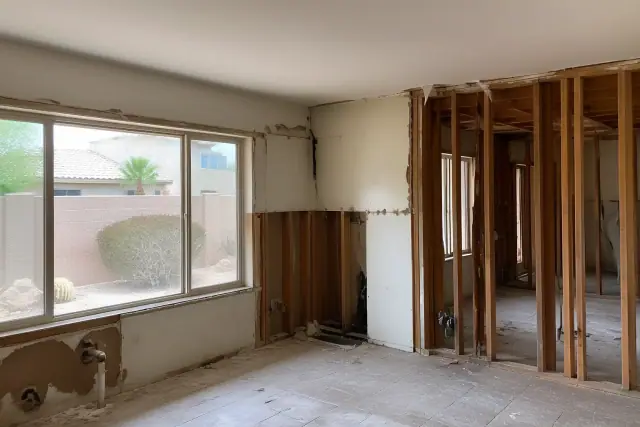
Interior of a home during demolition with exposed wall framing in Phoenix, AZ.

Complete house demolition begins with permits, utility caps, hazardous-material review, and salvage of useful materials. Excavators then remove the structure, foundation, and specified site features before hauling and grading prepare the lot for rebuilding.

Request Estimate

Commercial Building Demolition

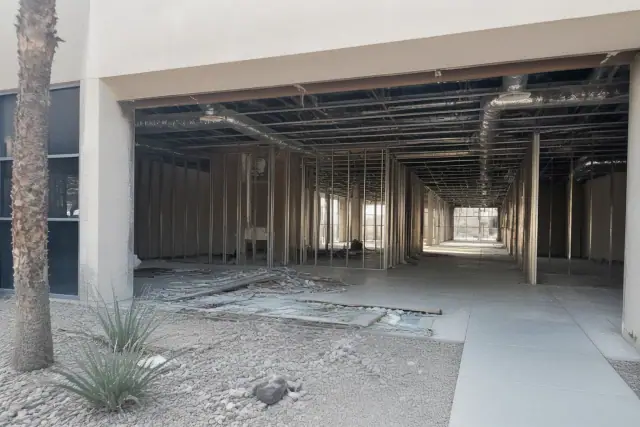
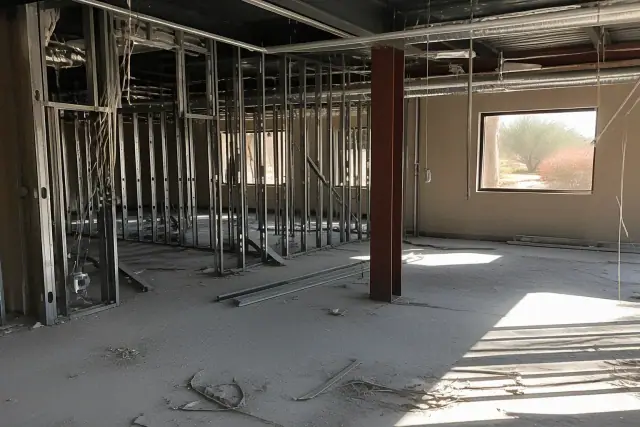
Interior of a commercial building demolition site showing exposed structural studs and utility conduits in Phoenix, AZ.

Commercial scopes range from strip retail along Camelback Road to office and warehouse properties near the I-17, I-10, and Sky Harbor industrial corridors. Long-reach excavators, high-reach attachments, and heavier breakers address tilt-up concrete, steel frames, and other large structural systems while work is coordinated with property managers and general contractors.

Request Estimate

Selective & Interior Demolition

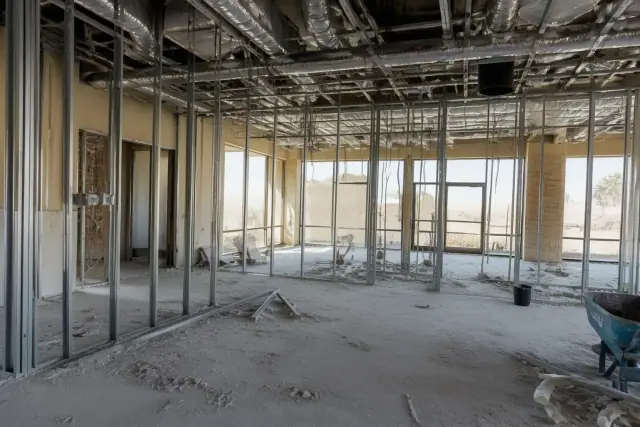
Interior demolition in progress with exposed studs and overhead conduits at a construction site in Phoenix, AZ.

Selective demolition removes walls, fixtures, flooring, ceilings, kitchens, bathrooms, or tenant-space finishes without disturbing the surrounding shell. Hand demolition, dust barriers, and careful protection of plumbing, electrical runs, and framing are especially important in occupied buildings and historic areas such as F.Q. Story.

Request Estimate

Concrete Demolition & Removal

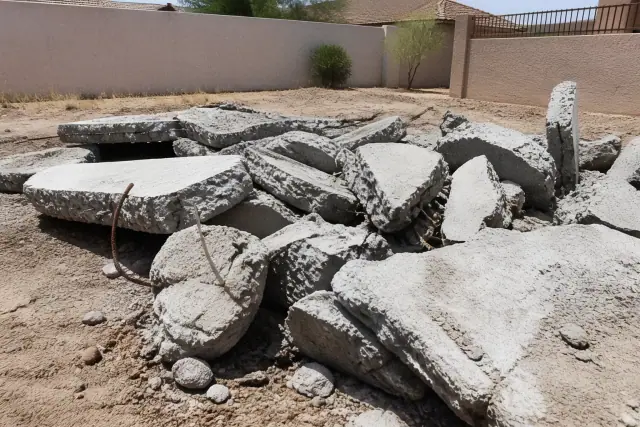
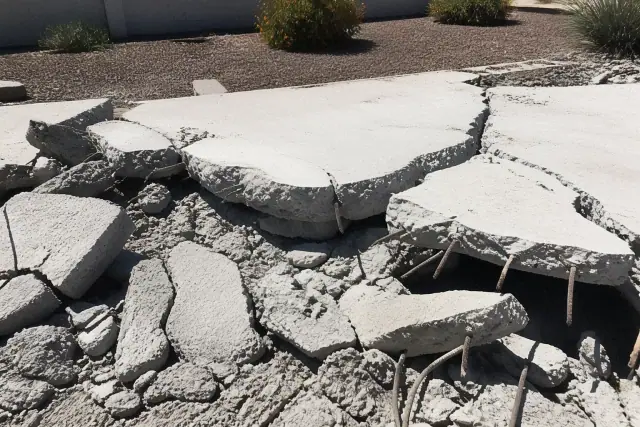
Fractured concrete slab with exposed rebar at a structural demolition jobsite in Phoenix, AZ.

Driveways, patios, slabs, foundations, footings, grade beams, and basement walls require different combinations of hydraulic breaking and diamond saw-cutting. Clean cuts protect nearby structures and property lines, while larger attachments address thicker concrete and the caliche hardpan beneath many Valley sites.

Request Estimate

Pool, Garage & Shed Removal

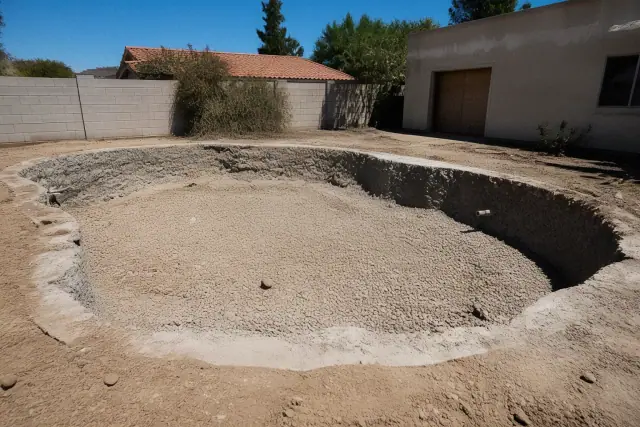
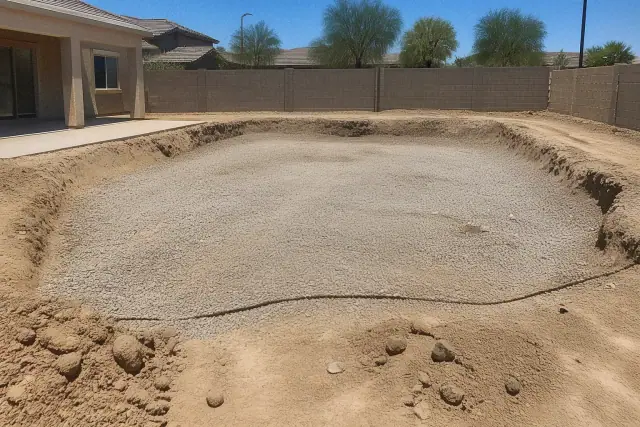
A removed swimming pool basin filled with aggregate, staged for grading at a residential demolition site in Phoenix, AZ.

Pool scopes may use full shell removal or partial demolition and backfill, depending on the property's future use. Standard detached garages may be removed the same day once utilities are disconnected, while sheds and small outbuildings can be bundled with slab removal, yard cleanup, or site clearing.

Request Estimate

Site Clearing & Debris Removal

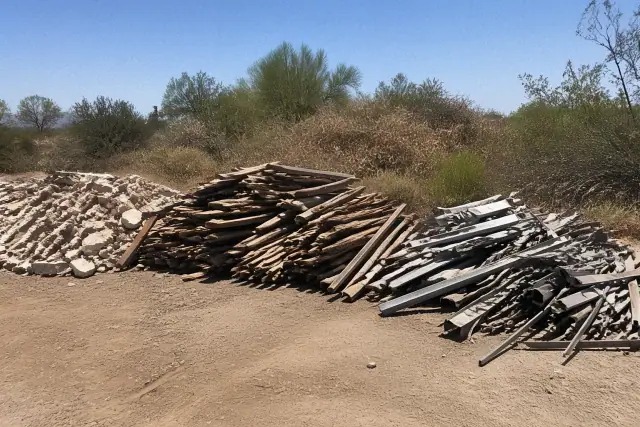
Sorted pile of wood, metal, and masonry debris at a structural demolition worksite in Phoenix, AZ.

After teardown, crews remove foundation fragments, sort wood, metal, and concrete where possible, and haul material to licensed disposal or Valley recycling facilities. Final grading and broom-clean preparation leave the lot ready for the next construction or landscaping phase.

Request Estimate
Methods & Project Conditions

Specialized Demolition Options

The safest and most efficient demolition method depends on structural materials, access, neighboring uses, environmental findings, and what will happen on the site afterward. These options can be combined within one written scope when a project includes both full removal and precision work.

Interior of a commercial office space undergoing demolition with exposed metal conduits in Phoenix, AZ.

Mechanical Structural Demolition

Mechanical demolition uses equipment sized for the structure and access conditions. A documented sequence keeps the building stable as load-bearing elements are removed.

  • Excavators for full residential and commercial teardowns
  • Long-reach and high-reach attachments for taller structures
  • Hydraulic breakers for slabs, foundations, and footings
  • Wrecking balls when appropriate for tall concrete or masonry
  • Planned equipment access and controlled removal sequencing
Request Estimate
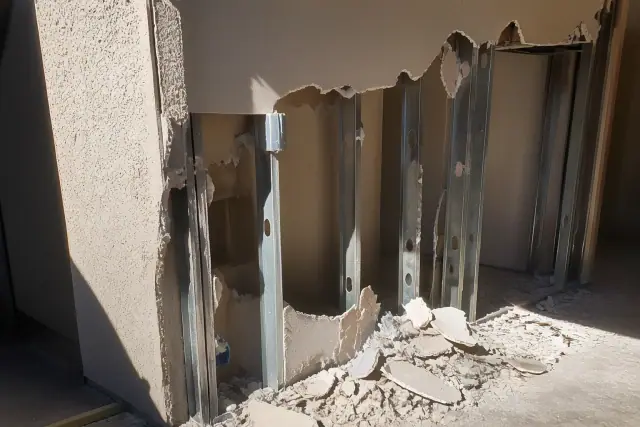
Partially dismantled drywall and metal studs during a structural demolition project in Phoenix, AZ.

Selective Hand Demolition

Hand demolition provides control where equipment cannot fit or where walls and systems must remain. It is suited to renovation, tenant improvement, and occupied-building scopes.

  • Targeted walls, fixtures, ceilings, and finishes
  • Tile, hardwood, carpet, vinyl, and mastic removal
  • Dust-containment barriers around occupied areas
  • Protection for plumbing, electrical runs, and framing
  • Noisy or dust-heavy phases scheduled around tenant needs
Request Estimate
Fractured concrete slab with exposed rebar at a structural demolition jobsite in Phoenix, AZ.

Concrete Cutting & Breaking

Concrete removal methods are selected for thickness, edge control, access, and the material below the slab. Combining cuts and breaker work can limit unwanted cracking near improvements that will remain.

  • Diamond saw-cutting for clean, controlled edges
  • Skid-steer or excavator-mounted hydraulic breakers
  • Larger attachments for thick concrete and grade beams
  • Hardpan excavation where caliche continues below concrete
  • Concrete crushing and recycling as base material when practical
Request Estimate
Excavated in-ground pool basin filled with aggregate during structural demolition in Phoenix, AZ.

Full or Partial Pool Demolition

Pool removal can eliminate the entire shell or retain part of it below engineered backfill. The intended use of the old pool footprint guides the appropriate scope.

  • Full excavation of the complete pool shell
  • Compacted engineered fill after shell removal
  • Partial demolition with the bottom broken for drainage
  • Full removal when future building is planned over the footprint
  • City of Phoenix permitting before pool demolition begins
Request Estimate
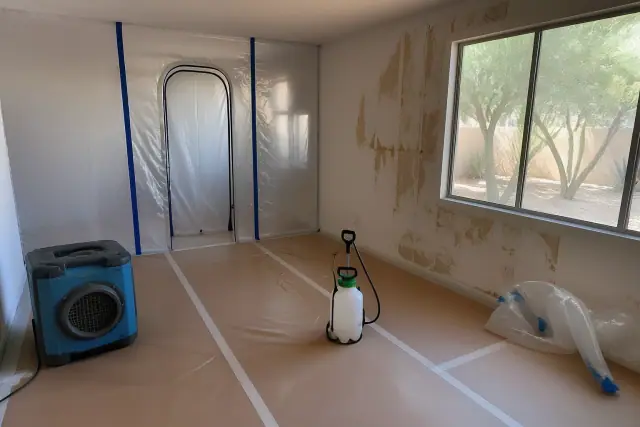
Hazardous material containment setup with polyethylene barriers and a HEPA machine in a Phoenix, AZ home interior.

Hazardous-Material Preparation

Environmental review must be complete before mechanical demolition starts. When regulated material is found, licensed abatement is completed before the structure is taken down.

  • Asbestos testing for homes and commercial buildings built before 1980
  • Inspection of flooring, popcorn ceilings, siding, and other possible ACM
  • Licensed abatement under ADEQ and EPA NESHAP requirements
  • Lead-paint protocols for structures built before 1978
  • Environmental clearance confirmed before equipment mobilizes
Request Estimate
Finding the Right Fit

Choosing the Right Demolition Approach

A site walk and structural assessment determine whether the work calls for full mechanical removal, selective demolition, phased commercial work, or a combination of methods. Building materials, shared walls, utility locations, hazardous-material findings, access, dust controls, and the site's next use all shape the final plan.

Licensed, Insured & Permit-Ready

Phoenix Demolition Co. carries Arizona Registrar of Contractors licensing, general liability coverage, and workers' compensation coverage. The team submits demolition permits through the City of Phoenix Planning and Development Department before work begins.

Phoenix Site Knowledge

Local planning accounts for Salt River Valley caliche, historic-review conditions, Maricopa County dust controls, and summer heat exposure. That context helps crews select equipment, access, and scheduling that fit the property rather than applying one teardown method everywhere.

Clear Scope Through Cleanup

Written bids itemize the variables that affect the work, including foundations, hazardous materials, hauling, grading, and added removals. Direct debris handling and a broom-clean finish keep the scope focused on a usable site, not only the teardown.

What Sets Us Apart

Why Phoenix Demolition Co. for Structural Demolition?

Every project follows a documented path from inspection and permitting through stable sequencing, debris hauling, and final grading. Mechanical equipment, precision hand work, and concrete-cutting methods are selected around the actual structure, while owners receive a written scope before work starts.

Request a Written Estimate

Compromised Load-Bearing Elements

Fire, water, age, or failed structural assessments can leave framing, roofs, and foundations unsafe to renovate. A planned teardown identifies load paths and removes these elements in an order that keeps the site stable.

Shared Walls & Occupied Areas

Removing the wrong column or wall can damage adjoining spaces, especially in downtown commercial buildings. Shoring, hand demolition, containment, and phased scheduling help isolate the work from structures or tenants that remain.

Caliche Beneath Slabs & Foundations

Hard caliche often sits just below Valley topsoil, so concrete removal may continue into resistant hardpan after the slab is broken. Breaker size, saw cuts, and excavation access must account for both the concrete and the material below it.

Hazardous Materials in Older Buildings

Asbestos-containing flooring, popcorn ceilings, siding, and mastic may require testing and licensed abatement before demolition. Lead paint and other environmental findings also have to be cleared before mechanical work can begin.

Dust & Extreme Summer Heat

Phoenix's PM-10 nonattainment status makes Maricopa County dust-control rules relevant to nearly every teardown. Work around 115-degree afternoons in July and August also requires scheduling and heat-illness controls consistent with ADOSH guidance.

Utilities & Legacy Infrastructure

Electric, gas, water, HVAC, and other infrastructure must be located and properly disconnected before equipment arrives. Commercial properties and older buildings may require added coordination so hidden or legacy systems do not interrupt a safe demolition sequence.

How It Works

Our Structural Demolition Process

The demolition sequence begins before equipment reaches the site. Inspection, permits, utilities, environmental clearance, structural planning, controlled removal, and final cleanup are coordinated as one project.

01.

Site Walk & Pre-Demolition Inspection

We inspect structural conditions, possible hazardous materials, utility locations, access, and the features that must remain. The findings determine whether abatement, shoring, specialty equipment, or added site controls are needed.

02.

Permits & Historic Review

We submit the demolition permit through the City of Phoenix Planning and Development Department. Structures over 50 years old may also require review by the City of Phoenix Historic Preservation Office before approval.

03.

Utility Disconnection & Clearance

Disconnections are coordinated with Salt River Project, APS, Southwest Gas, and the City of Phoenix Water Services Department as applicable. Equipment mobilizes only after utility caps, permits, abatement, and environmental clearance are confirmed.

04.

Structural Plan & Site Controls

The written demolition plan documents load-bearing elements, removal order, equipment, dust measures, shoring, and safety controls. Planning follows OSHA 29 CFR 1926 Subpart T and incorporates conditions identified during the site assessment.

05.

Sequenced Demolition

Crews use excavators and breakers for full structural removal, hand methods for precision areas, and saw-cutting where controlled concrete edges are required. The planned order maintains stability while keeping dust and debris within the work zone.

06.

Debris Removal & Final Grading

Wood, metal, and concrete are separated for recycling where practical, and remaining material is hauled to licensed facilities. Crews remove foundation fragments, grade the site, and leave it broom-clean for the next phase.

Start With a Clear Scope

Plan Your Structural Demolition Project

Discuss the structure, intended scope, site access, and what comes after removal with Phoenix Demolition Co. The written estimate will identify the variables affecting demolition, hauling, grading, and any added site preparation.

Structural Demolition Help

Structural Demolition FAQs

These answers cover Phoenix demolition costs, methods, permits, planning, hazardous materials, concrete, pools, timelines, and cleanup. Project-specific requirements are confirmed during the site inspection and written estimate.

Call About Demolition

Phoenix-area house demolition generally costs $8,000 to $25,000, while most complete residential structural teardowns in the service area land between $7,400 and $14,800 depending on square footage, foundation type, and hazardous-material findings. Interior-only demolition runs roughly $2 to $10 per square foot, and dump fees for wood-frame and stucco structures run around $8.50 per square foot on top of labor. Pool removal, asbestos abatement, and well or septic abandonment can raise the total, so Phoenix Demolition Co. provides an itemized written bid.

The three recognized types are manual, mechanical, and explosive or implosion demolition. Manual methods suit selective work, while excavators, breakers, and high-reach attachments handle most residential and commercial structural teardowns in Phoenix. Explosive demolition is generally reserved for large structures such as high-rises rather than the properties Phoenix Demolition Co. typically handles in the Valley.

Structural demolition removes a building's load-bearing systems, including the foundation, framing, walls, and roof structure. It differs from selective or interior demolition, which removes specified components while leaving the structural shell in place.

An active City of Phoenix demolition permit, confirmed utility disconnections, and a pre-demolition hazardous-material inspection must be in place before work starts. Any required abatement, utility caps, environmental clearance, and historic review also need to be complete before equipment mobilizes.

Permits are issued through the City of Phoenix Planning and Development Department based on the site, scope, and utility-disconnection information. A potentially historic property may require added review through the city's Historic Preservation Office. Phoenix Demolition Co. submits and manages the permit paperwork for its projects.

The plan identifies load-bearing elements, the sequence for safe removal, equipment, shoring, dust controls, and other site-safety measures. It also addresses utilities, hazardous-material findings, and debris handling so the work is organized before mobilization.

Most single-family teardowns in Phoenix clear in one to three days after permits, utility caps, and environmental requirements are confirmed. Debris hauling and site grading follow the structural removal, while permitting or abatement can add time before demolition begins.

The pre-demolition inspection checks for materials such as asbestos and lead paint. When regulated material is found, licensed abatement and environmental clearance occur before mechanical demolition starts under the applicable ADEQ and EPA NESHAP requirements.

Full removal excavates the entire pool shell and replaces it with compacted engineered fill. Partial demolition breaks the bottom for drainage and backfills over the remaining shell. Full removal is typically required when future construction will occupy the old pool footprint, and either approach requires a City of Phoenix permit.

Hydraulic breakers mounted on skid steers or excavators handle most slab and foundation removal, while diamond saw-cutting creates clean edges near property lines or structures that remain. Where caliche continues below the concrete, the equipment and excavation scope must also address that hardpan layer.

Partial demolition and phased teardown can allow operations to continue in one wing while another area is cleared. Dust containment, protected utilities, tenant-hour scheduling, and coordination with the property manager or general contractor are built into the sequence when the site requires them.

Crews sort wood, metal, and concrete where possible and haul material to licensed disposal or Valley recycling facilities. Concrete can be crushed for base material, and the final scope includes removing foundation fragments, grading, and broom-clean preparation.

Phoenix Demolition Co. serves Phoenix, Scottsdale, Tempe, Mesa, Glendale, and the greater Valley of the Sun. Available scopes include structural, residential, commercial, selective, interior, concrete, pool, garage, shed, and site-clearing work described on this page.