What the Timeline Means
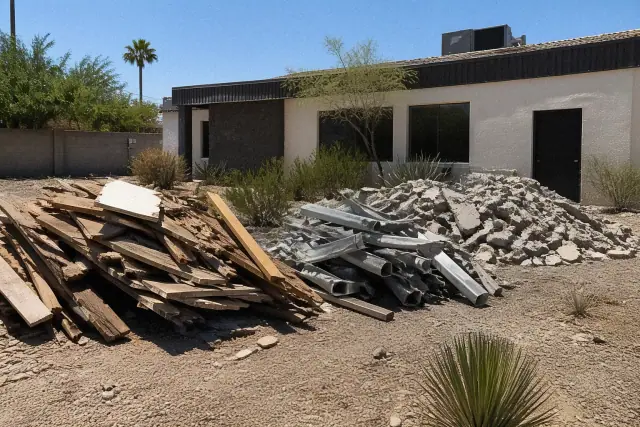
A realistic schedule separates front-end approvals from active field work. The teardown itself-often performed with excavators, hydraulic shears, breakers, grapples, skid steers, and concrete crushers-can be shorter than surveys, utility disconnects, and permit coordination. Scheduling mobilization after inspections helps prevent heavy equipment from sitting idle, while coordinated interior removal, structural demolition, hauling, and grading keep the site moving toward its next use.
Factors That Change the Schedule
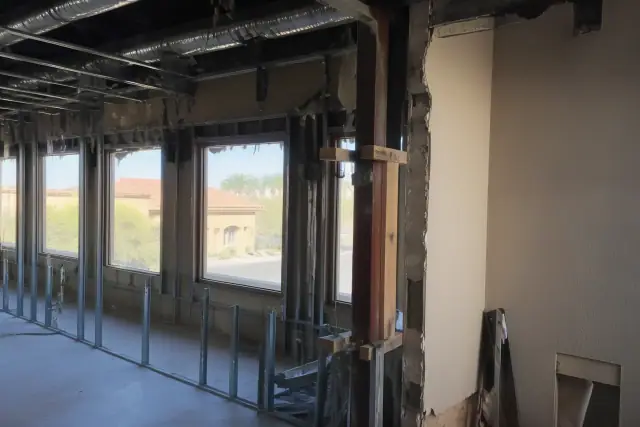
Square footage alone is not enough: a 5,000-square-foot strip mall unit and a 5,000-square-foot steel bar-joist warehouse require different sequencing. Multi-story construction, post-tensioned concrete, shared party walls, elevator shafts, and HVAC tied to shared risers add review and protection work; selective demolition is also slower per square foot than open total demolition. Crew and logistics matter-a two-person crew on a 20,000-square-foot warehouse cannot match a full crew with equipment operators and haul drivers working in parallel. Downtown Phoenix and areas near Sky Harbor may also require street-closure and noise-ordinance coordination, while temperatures over 110 degrees or monsoon dust and flooding can shorten or stop outdoor work.
Common Follow-Up Questions
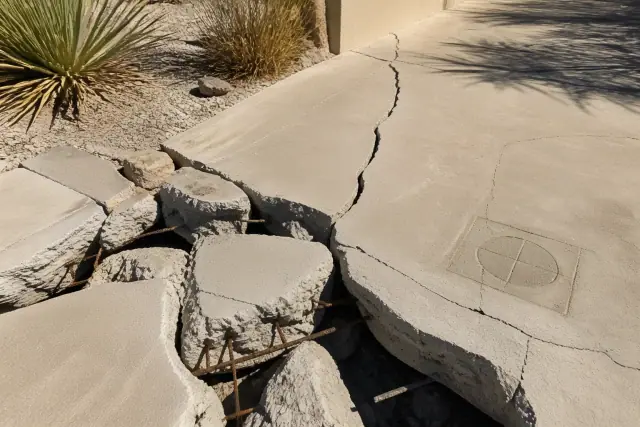
Owners often ask how cost relates to time, whether selective work is faster, what full-service demolition includes, and how to prepare. Commercial demolition in Phoenix and across Arizona generally runs $4 to $25 per square foot, with most Phoenix-area projects between $5 and $12; concrete-heavy sites, below-grade foundations, pool removal, abatement, and long hauling distances can move costs higher. Total demolition is usually faster per square foot than selective work, which uses smaller equipment or hand labor to protect what remains. A full-service scope can include surveys, hazmat coordination, permits, utility disconnects, strip-out, structural removal, concrete work, hauling, and grading, so owners should gather drawings, utility locations, known material history, zoning information, and rebuild requirements early. For comparison, actual demolition of a roughly 1,200-square-foot, 30-by-40-foot house may take 1 to 3 days and the full process may take 1 to 2 weeks, but that residential example does not set a commercial schedule.